






Getting your first job interview is an achievement. Getting selected depends on how well you act during the interview, not just what you know. Many candidates prepare answers but ignore behavior, clarity, and intent. These practical interview tips for freshers focus on real actions that recruiters notice and remember.This guide breaks down what actually works in interviews today, especially for entry-level roles and campus hiring.
Understand what interviewers look for in freshers
Freshers are not expected to know everything. Employers look for learning ability, communication skills, and attitude. Hiring managers often prioritize clarity of thought over perfect answers.
Show that you understand the role. Demonstrate curiosity and a willingness to learn. These signals matter more than advanced technical depth at the fresher level.
Prepare with purpose, not memorization
One of the most important practical interview tips for freshers is to stop memorizing answers word for word. Instead, prepare examples.
Read the job description carefully. Identify two or three skills the employer clearly wants. Prepare examples from projects, internships, coursework, or group work that match those skills.
Use a simple structure when answering:
- What was the situation
- What task were you responsible for
- What action you took
- What was the result
This keeps your answers focused and easy to follow.
Build a clear and relevant resume
Your resume controls whether you even reach the interview stage.
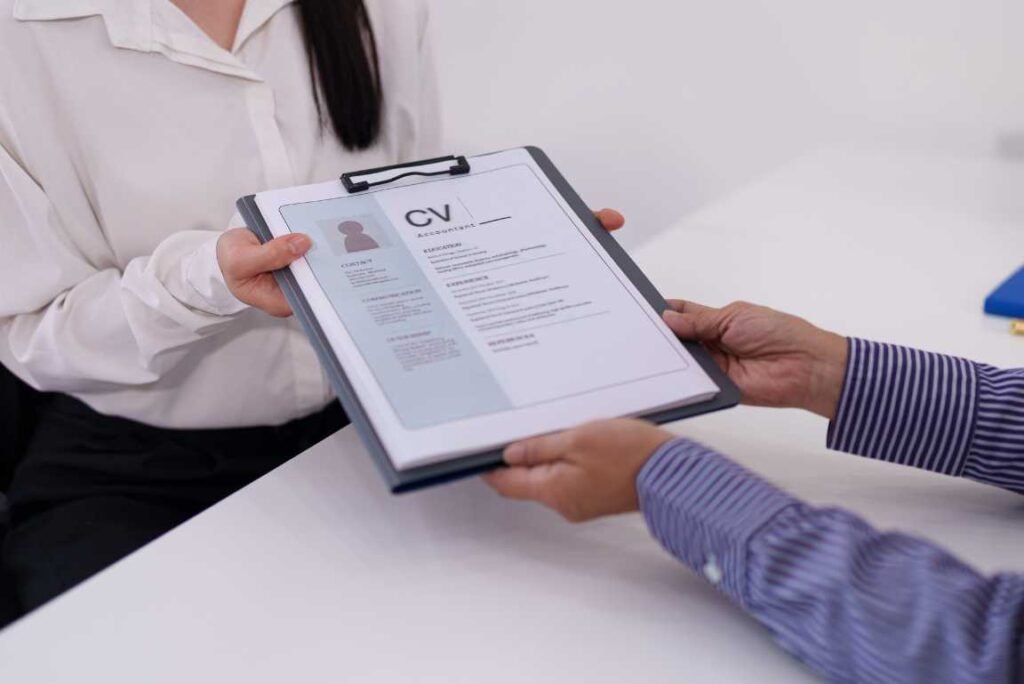
Keep it one page. Use simple formatting. Avoid long paragraphs. Each bullet should explain what you did and what changed because of your work.
Even academic projects count if you explain the outcome. For example, mention how a project improved efficiency, accuracy, or learning. Recruiters want evidence that you can apply knowledge, not just study it.
Practice interviews in a realistic way
Mock interviews are often underestimated. They are one of the most effective practical interview tips for freshers.
Practice speaking out loud. Record yourself answering common questions. Pay attention to filler words, speed, and clarity. Ask for feedback from someone who will be honest.
Each mock interview should improve one specific area. Do not try to fix everything at once.
Create a strong introduction
Most interviews start with “Tell me about yourself.”
Prepare a short introduction of 30 to 60 seconds. Start with your education or current status. Mention one relevant skill or project. End with why you are interested in the role.
A confident introduction sets the tone for the entire interview and helps interviewers remember you.
Use body language and listening skills
Interviews are not only about answers.
Sit straight. Make eye contact. Nod when listening. Avoid crossing your arms. These small actions show confidence and engagement.
Listen carefully to the full question before answering. If needed, pause for a moment to organize your thoughts. Clear communication is one of the most valued skills across industries.
Ask thoughtful questions at the end
When interviewers ask if you have questions, always say yes.
Good questions show interest and preparation. Ask about team structure, learning opportunities, or what success looks like in the first few months.
This is one of the most overlooked practical interview tips for freshers, yet it strongly influences how interested and serious you appear.
Handle technical or case questions calmly
If you face a technical or problem-solving question, do not rush.
Explain your thinking step by step. Even if you are unsure of the final answer, a clear approach shows problem-solving ability.
Interviewers often care more about how you think than whether you reach the perfect solution.
Prepare for online interviews
Many fresher interviews now happen online.
Check your internet, camera, and microphone in advance. Sit in a quiet place with a neutral background. Look at the camera when speaking.
Keep water nearby. Dress professionally, even for video calls. Treat online interviews with the same seriousness as in-person ones.
Follow up professionally
After the interview, send a short thank-you message within a day.
Thank the interviewer for their time. Mention one topic discussed that reinforced your interest. Keep it brief and polite.
Following up shows professionalism and attention to detail.
Accept rejection as part of the process
Not every interview will lead to an offer. That is normal.
Each interview improves your skills if you reflect honestly. Note what went well and what you can improve. Over time, confidence and clarity increase.
Consistency matters more than perfection.
FAQs – Practical Interview Tips for Freshers
1. What are the most important interview tips for freshers?
The most important tips include clear communication, honest answers, relevant examples, positive body language, and a strong willingness to learn.
2. How should freshers answer interview questions without experience?
Freshers should use examples from academic projects, internships, group work, or training programs to show skills, problem-solving, and learning ability.
3. Is mock interview practice really useful for freshers?
Yes, mock interviews help improve confidence, reduce nervousness, identify weak areas, and improve clarity in real interviews.
4. What mistakes should freshers avoid in interviews?
Avoid memorized answers, vague responses, poor listening, negative body language, and saying “no questions” at the end of the interview.
5. How can freshers stand out in online interviews?
Freshers can stand out by maintaining eye contact with the camera, speaking clearly, ensuring a clean background, and showing professionalism throughout the call.
Conclusion
Interviews reward preparation, clarity, and attitude. These practical interview tips for freshers focus on actions you can control every time you walk into an interview, whether online or offline.Choose a few tips, practice them daily, and apply them consistently. Small improvements compound quickly and often make the difference between rejection and selection.