


Skills Required for Cloud Engineer Jobs in India
Companies hiring cloud engineers in India focus more on practical skills than formal degrees. Employers look for professionals who understand systems, security, and cloud infrastructure deeply.

Logical thinking and troubleshooting
Ability to analyze problems, identify root causes, and resolve cloud or infrastructure issues efficiently.

Understanding how applications work
Knowledge of how applications interact with servers, databases, APIs, and cloud services.

Basic networking concepts
Understanding IP addressing, DNS, load balancing, firewalls, and data flow in cloud networks.

Security awareness
Awareness of access control, data protection, encryption, and common cloud security risks.

Willingness to learn continuously
Readiness to learn new cloud tools, platforms, and best practices as technology evolves.

Attention to detail and documentation skills
Ability to maintain clear documentation, configurations, and system processes accurately.
Technical Skills You Will Pick Up Over Time

Cloud platforms (AWS, Azure, GCP)
Work with major cloud providers to deploy applications, manage resources, and scale systems.

Linux fundamentals
Learn essential Linux commands, file systems, permissions, and server administration basics.

Virtual machines and containers
Understand how virtual machines and containers like Docker help run applications efficiently.

CI/CD pipelines
Automate building, testing, and deploying applications using continuous integration workflows.

Infrastructure as Code (IaC)
Manage cloud infrastructure using code tools like Terraform or CloudFormation.

Monitoring and logging tools
Track system performance, logs, and alerts using tools like CloudWatch or Prometheus.
Types of Cloud Engineer Roles
Cloud engineering is not a single job role. As you gain experience, professionals usually move toward roles that match their technical strengths and interests. Below are some of the most common cloud engineer roles found across startups, IT services companies, and large enterprises.
Cloud Engineer
Builds, deploys, and manages cloud-based infrastructure and services.

DevOps Engineer
Automates deployments, manages CI/CD pipelines, and improves system reliability.

Site Reliability Engineer (SRE)
Ensures system availability, performance, and reliability at scale.

Cloud Support Engineer
Resolves cloud infrastructure issues and supports production environments.

Cloud Security Engineer
Implements security controls and protects cloud systems from threats.

Cloud Architect
Designs scalable, secure, and cost-effective cloud architectures.

Platform Engineer
Builds internal platforms and tools to support developers and operations teams.

Infrastructure Engineer
Manages servers, networks, and cloud infrastructure foundations.
Tools You Will Work With
Cloud engineers rely on a wide range of tools to monitor systems, manage infrastructure, automate deployments, and collaborate during incidents. These tools are learned gradually through real-world usage.
Monitoring and analytics tools
Track system performance, usage metrics, logs, and overall reliability.

Infrastructure and cloud management tools
Provision, manage, and optimize cloud resources efficiently.
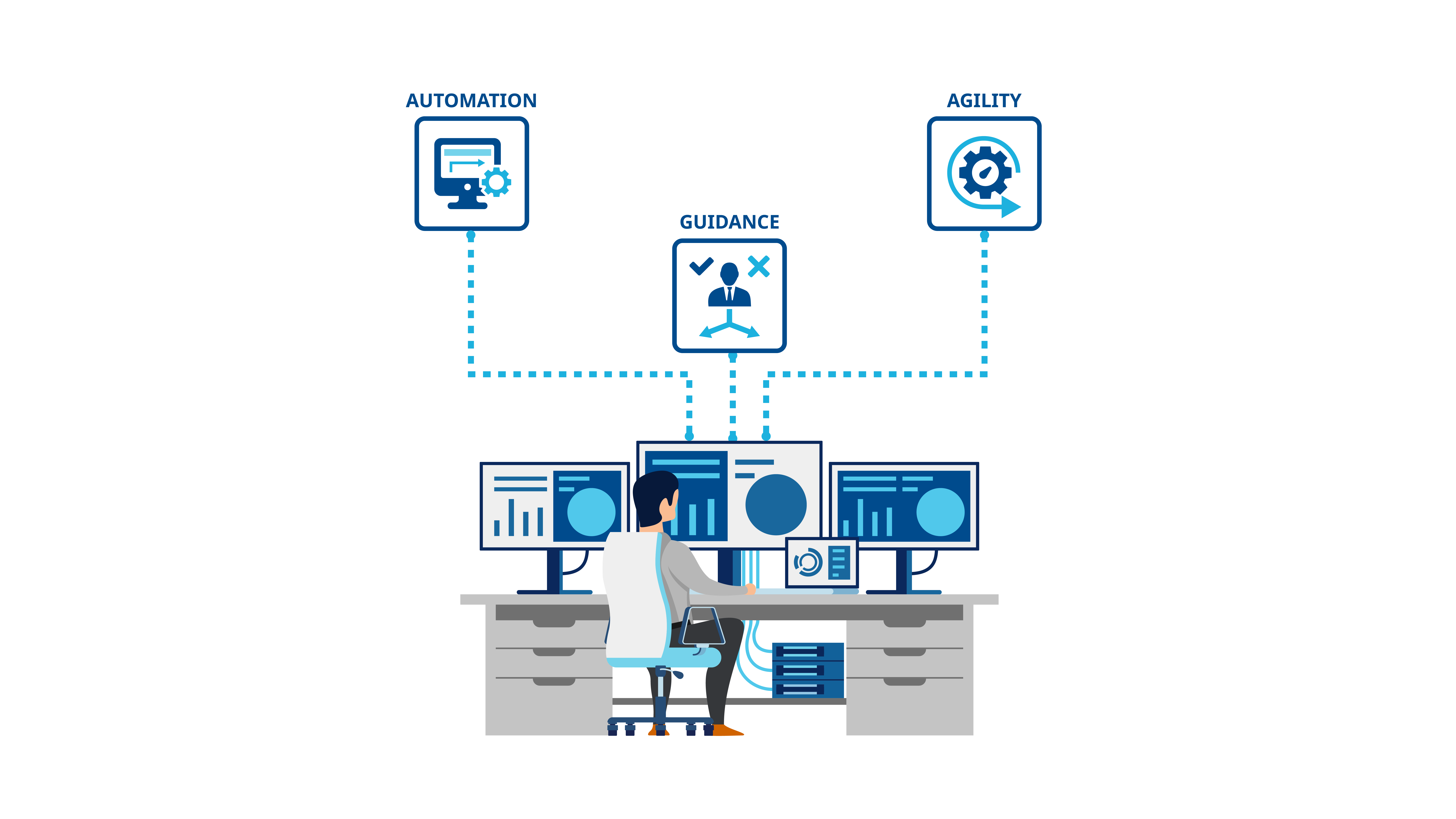
Automation and deployment platforms
Streamline application releases using CI/CD pipelines and automation.

Configuration and orchestration tools
Manage configurations and orchestrate services across cloud environments.
Content and application management systems
Host, manage, and operate applications and services reliably.

Communication and alerting tools
Enable incident alerts, team communication, and faster resolution.

Visualization and basic design tools
Create dashboards, reports, diagrams, and technical documentation.
Career Path and Growth
Cloud engineering offers a clear and rewarding career path. As your technical knowledge and hands-on experience increase, you move toward roles with greater responsibility, scale, and architectural impact.

Cloud Engineering Intern or Trainee
Learn cloud fundamentals, basic tools, and real-world infrastructure under supervision.

Junior Cloud Engineer
Assist in managing cloud resources, deployments, monitoring, and issue resolution.
Cloud Engineer
Design, deploy, and maintain scalable cloud infrastructure and services.

Senior Cloud Engineer or Specialist
Lead complex projects, optimize systems, mentor juniors, and improve reliability.

Cloud Architect or Engineering Lead
Define cloud strategy, design large-scale architectures, and guide engineering teams.
Who Should Choose a Full Stack Developer Career?
Cloud engineering is a good fit if you are someone who wants a career that grows with your skills and effort, not just with years of experience. It suits people who are curious about how technology powers modern businesses and how well-designed systems can solve real-world problems at scale.
You should consider this role if you enjoy continuous learning. Cloud platforms, tools, and architectures keep evolving, and professionals who succeed are those who adapt quickly instead of resisting change. If you like experimenting with new technologies, testing solutions, and improving systems based on performance and reliability, cloud engineering aligns well with that mindset.
This career also works well for those who value flexibility. Cloud engineer jobs in India are available across IT services companies, startups, product firms, and global organizations, with options for on-site, hybrid, remote, and freelance work. If you want multiple career paths instead of a rigid, linear ladder, cloud engineering offers that freedom.
If you prefer skill-based growth over traditional degrees, cloud engineering makes sense. Employers often focus more on what you can build, manage, and troubleshoot than where you studied. Students, freshers, and career switchers can all enter this field by developing practical cloud skills and demonstrating hands-on experience.


How to Start a Career in Cloud Engineering
If you are starting from zero, feeling confused, or unsure where to begin, that is completely normal. Cloud engineer jobs in India are one of those careers where clarity comes from hands-on practice, not overthinking. The key is to start small and build momentum step by step.
- Learn cloud fundamentals through online resources and documentation
- Practice by using free-tier cloud accounts and building small projects
- Apply for internships or entry-level cloud or DevOps roles
- Build a portfolio with real deployments and use cases
- Keep learning as cloud platforms and technologies evolve
Create your profile on Naukri.Live and let recruiters discover you based on your cloud expertise, certifications, and career goals.
Sign up on Naukri.Live